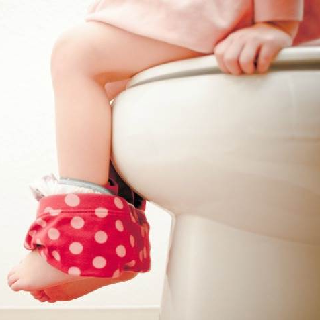
 Is it time to start potty training your child?
Every parent must face the inevitable moment as to when they should begin toilet training. Still, it can be stressful for both you and your child to leave the security and convenience of diapers.
The right time will be different for every child. “Normal” potty training age falls anywhere between 18 months and 4 years of age. Some children won’t be fully potty trained until the age of five.
It is always a good idea to talk to a pediatrician first about whether your child is ready, but there are few cues. The following are 10 signs that your child may be ready to start potty training.
1. Your Child Hates The Feeling Of A Soiled Diaper
Some babies and toddlers don’t notice soiled diapers. Others are bothered by the feeling of wetness. If your child is regularly protesting the feel of their diaper right after they have wet, this might be a sign they are ready to try “big kid” pants.
The bad news is that there will be accidents when you first start experimenting with regular underpants. The good news is that children who don’t like to feel wet will try to avoid soiling pants that aren’t absorbent.

2. Your Child Can Tell You When Their Diaper Is Wet
Your child may indicate to you that they are wet. This shows that they understand that their soiled diaper is making them uncomfortable. Some toddlers will even remove their own diaper after soiling it.
Even if your child isn’t verbal, they can communicate that they are aware of what is happening. They may tug at their diapers, or come to you and seem anxious or agitated when they are using their diaper.
Or they may not notice the actual event, but will find you immediately afterwards for a diaper change.
3. It Is Obvious When Your Toddler Is Soiling His Or Her Diaper
Your little one freezes in her tracks and begins making funny faces. Or maybe she grunts loudly, fusses, or looks at her diaper area, or even loudly declare when she is going too (I’m pooping!)..
This is a sign that toileting is something your child is aware of. They have to focus on it a little more these days when they are awake. Gone are the days of being oblivious. They just don’t know what to do about this new experience yet.
Your child may also stand up in the bath tub and watch themselves urinate into the water. Or they may squat on the floor when they are not wearing any diaper.
You may be grossed out, but your child is showing you that he or she is growing up!
4. Your Toddler May Go An Hour Or So Without Wetting
“Dry spells” are when your child goes for longer periods between wetting a diaper. You will begin to notice that you are not changing as many diapers as you once did. It shows that they are developing the muscle control needed for toilet training.
Some children may never do this until potty training actually begins. But if you try potty training for a few weeks and your child still can’t hold it in even for a short time, they may not be ready.
This is a good time to ask your child’s doctor about potty training and make sure there is no physical problem. Remember too that a child who is almost potty train may have accidents if they feel unwell.
5. Your Child Seeks Privacy When They Use Their Diaper
Some children may instinctively hide in corners or another room while soiling their diaper.
Or they may just want to be left alone for a few minutes while they finish their business.
This independence is a sign they may be emotionally ready to being potty training.
6. Your Toddler Can Follow Simple Instructions
Can your toddler follow basic instructions? Being able to follow one and two step directions (i.e. ‘bring me your cup’, and ‘pick your ball up and put it in the box’) is an important milestone for babies to reach before potty training.
Once a child can follow instructions, and he understand the words you are saying, he will feel less stressed about pottying.
Remember that when you are teaching your toddler to use the potty that this is something they most likely won’t quickly pick up. It is going to take some time. If they get too frustrated, it may be wise to take a step back and try again later. You don’t want a negative cogitation associated with using the potty.
7. Your Child Understands And Appreciates Praise
Babies and toddlers go through phases where they crave praise one moment, and then seem to hate it the next. Waiting until your little one is in a cooperative phase before beginning will lower the risk of frustration for both of you.
A child that understands praise and wants to earn it will be more suited to potty training. He or she will feel proud when they accomplish this new feat.
A child who cannot yet associate praise with action may get confused when you cheer them on.
8. Your Child Is Curious About Other People’s Bathroom Habits
It can be disconcerting when your child follows you to the bathroom and is overly curious. They may point or ask questions. This is perfectly normal!
It means they are aware of their surroundings and the way grown-ups (and older siblings) do things.
If you want to get your child started, you may have to let some modesty go and use the bathroom with the door open. This gets them to see what you are doing and helps them get interested in wanting to imitate you.
Just like they learn to walk, talk and eat from watching you, being an audience to your potty moments will help them catch on faster.
9. Your Child Is Wanting To Use The Potty When Others Do
 Is your son or daughter pointing to the toilet or asking to go? If they act like they want to try, or if they mimic your actions by sitting on a potty chair, then they are probably ready to start learning for real.
You can test this by providing a potty chair or a child’s potty seat. Put them on the potty after you have used it, so they still remember it isn’t scary. How interested to they seem? Do they seem a little frightened?
If you place your child on the toilet or potty chair and they seem afraid or angry, then they may not be ready. Forcing them could cause a delay in potty training, and more stress.
10. They Are Able To Perform Simple Undressing
For them to be able to learn how to use the potty they must also have the ability to know how to take off their pants or diaper. If you are starting out potty training, it is easier to use easy on and off pants such as sweat pants or leggings.
Jeans can pose a few problems with their buttons and zipper. They are a bit harder for them to learn and coordinate with their tiny fingers. It also can be a pain for you to constantly have to help them pull up their pants and secure it for them every time they use the potty. It takes away a bit of the independence that they should feel when they are starting to learn to use the potty.
Other signs can include wanting to pick out what they want to wear on their own or wanting put on their own clothes. When you see these signs, they may be ready to start using the potty.
Words of Advice
Don’t attempt potty training for real until you can dedicate some time to it. If you are planning on moving, a new sibling arriving or any other big life changes, it may be wise to delay potty training until everything settles down. Trying to potty train and then have some major life moves may cause your little one to regress and have lots of accidents. It may also take them longer for them to learn with so many new changes happening. Wait till you know that potty training can be the sole focus for quite a while.
Potty training is no walk in the park. It is one of the most difficult early milestones to overcome and can truly test your patience as a parent. Set goals, but expect setbacks. Even when all the readiness signs for potty training are there, it may not go smoothly. And if your toddler still doesn’t seem ready, its perfectly alright to shelve the potty chair for a month or two. You may end up having a stubborn child who doesn’t want to give up his or her diapers! Until then, keep encouraging your child to be curious and aware of toileting.
* If your child shows signs of potty readiness, click to watch this short video by mommy Carol on how she potty train her own (stubborn) child successfully.


 331
 0
 0
 207
 1

Every child is definitely different. My first told me he was ready, now my second is a little tougher. He’s at the age my first one was ready, but I’m not seeing any signs yet, but you gave me a few more to look for. Thanks 🙂