When you were younger, you always wanted to be a “hottie,” but as you get older, suffering from menopausal hot flashes was probably not what you had in mind. If the fluctuating hormones of the “change of life” are leaving you too hot to handle, read on for some cool advice.
What Are Hot Flashes?
A hot flash (sometimes referred to as a hot flush but more technically known as a vasomotor flush) is a sudden, intense sensation of heat, often accompanied by a bright red, flushed face, and an outbreak of perspiration.
Hot flashes are the most common menopausal symptom, experienced by up to 85% of women during their menopausal years. When a hot flash followed by a drenching sweat occurs at night, it’s known as a night sweat. Along with the sense of overwhelming heat, some women also experience a rapid heart rate, nausea, light-headedness, or chills.
Women experience hot flashes when their estrogen levels are low, but they’re not unknown in women with high of fluctuating estrogen levels, too. During pregnancy or PMS, hot flashes can strike.
What Causes Hot Flashes?
Modern medicine is not entirely in agreement as to the cause of hot flashes. Some doctors theorize that they are related to changes in the circulatory system or to declining estrogen levels. What they know for sure is that hot flashes occur because your body’s thermostat is not functioning properly. The area of the brain responsible for regulating your temperature is known as the thermoregulatory zone. During menopause, your thermostat gets confused and thinks you need to cool down, so it arranges an event that leaves you drenched in a clammy sweat.
Menopause is not the only cause of hot flashes. Certain medicines can cause them, as can certain illnesses. Men with low testosterone levels can experience them, and so can pregnant women. Insufficient levels of antioxidants in the body can also contribute to hot flashes, and this is a great reason for women in their menopausal years to follow a low carb, nutrient-rich diet to assist in balancing their hormones that will lead to an improved sense of all-around health and well-being.
While experts know relatively little about what causes hot flashes, they do know there can be a great degree of variation in the severity of the episodes, as well as their frequency and duration. Some women may experience only one or two episodes, while others may be plagued with multiple episodes a day for a decade. The discomfort and inconvenience of these flashes can so impair quality of life that frequent sufferers can suffer from lack of sleep, anxiety, and depression.
Avoiding The Triggers
While hot flashes can certainly occur without warning and for no discernible reason, there are also a number of common triggers that you may wish to avoid if hot flashes are becoming an issue in your daily life.
- Lay off the spicy food. Highly seasoned foods can make anyone feel sweaty and flushed, especially women who already have a tendency to overheat. Avoid the spicy, peppery dishes and go for something a little blander.
- Baths, hot tubs, or saunas. Naturally, you have to get clean somehow! But soaking in a hot tub may lose its appeal if you get out feeling more discomfort than when you went in. Hot environments such as these raise your body’s core temperature and invite a flash.
- Nix the hot drinks. A piping hot cup of tea or coffee will also increase your body temperature and your chances for a flash.
- Say no to caffeine and alcohol. Scientists are not positive why caffeine causes sweating, but it does. Generally speaking, women who drink alcohol are more likely to suffer from flashes than those who don’t. So abstain and keep your cool.
- Don’t smoke. Not only does it trigger hot flashes, it’s murder on your health, it empties your wallet and it makes you smell terrible.
- Hot weather and overheated rooms. When other people become a bit warmish, you are apt to be in full meltdown mode. Try to stay on the edge of crowds to keep cooler and avoid anxiety. Be prepared to slip away to an air-conditioned spot if you must.
- Hot appliances. Using beauty implements such as blow dryers and curling irons can provoke a hot flash, leaving your hair damper and frizzier than it was before. Try to avoid using them, and allow time for your hair to dry on its own if you can.
- Exercise. Don’t let hot flashes be your excuse not to exercise, but do expect them and be prepared. Take a towel and plenty of water along, and rest if necessary. Special cooling towels and headbands can be purchased to use while working out also.
How Long Will Hot Flashes Persist?
If you’re hoping that hot flashes will be a temporary annoyance, unfortunately the news about that is not so good. Women have been known to suffer from hot flashes for as long as twelve years after their last period, and the average women deals with them for about five years. However, thankfully, the intensity does not remain consistent over the years, but tends to gradually decrease.
Here’s a bit of cheer if you’re overweight, though: chubby ladies are believed to convert hormones produced by their adrenals to hormones that closely resemble estrogen. This can rescue them from years of flashes, while their skinny sisters must face a longer struggle. Another thing: the later your symptoms begin, the better off you are. If you reach the age of fifty with nary a symptom, chances are good you’ll have a relatively brief experience with hot flashes. Studies also show that white women experience symptoms for a shorter duration than African-American women.
How To Reduce Menopausal Hot Flashes
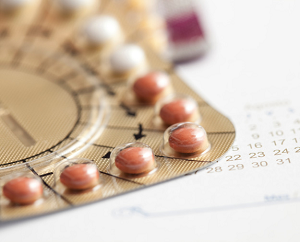 Hormone replacement therapy (HRT), available by prescription from a medical doctor, is a reliable form of relief. Unfortunately they pose serious risks of breast cancer, stroke, and heart attack that many women find unacceptable. Rather than the usual HRT, your doctor may also prescribe low doses of bio-identical hormones for short-term relief of intense flashes. These hormones produce less side effects than the more conventional ones, but the same risks are present.
A large majority of women experience hot flashes, loss of libido, weight gain, and other unwanted symptoms as they make the transition from their fertile to infertile years of life. While gynecologists estimate that about a third of women who seek treatment do opt for conventional hormone replacement therapy and another third use bio-identical medications derived from plants, the final third just muddle through. Either they are not very much bothered by menopausal symptoms or they are using either over-the-counter alternative medicines and remedies to help them manage.
There are many alternative remedies that women swear by. Black cohosh , available at any health food store, is a safe herb that works well for many. Whole soy foods are also helpful and easy to add to the diet in the form of soy milk, tofu, edamame, or soy nuts. A number of other tips for coping with your own personal furnace are:
- Sleeping in a cool room, with 100% cotton sheets and a loosely woven blanket on your bed. Synthetic bedding will cause you to sweat when you most need to be cool.
- Use a fan. Pointing a fan directly at yourself in bed can help keep you cool and provide soothing white noise for more restful sleep as well. Alternatively, try a mini hand cooler
 if you are outdoors.
- Keeping an icy drink handy for when you feel a flash starting.
- Calm down. Hot flashes increase when you’re stressed, so do whatever makes you feel calmer and more centered. Try yoga, visualization, massage, meditation, or any hobby you enjoy - art or music, for example that help you relax.
- Dressing in layers so you can easily remove something when you overheat.
- Increase Vitamin E consumption. Studies have shown this to reduce the severity of flashes. You can take a convenient gel cap, or just get more leafy greens, tropical fruits, and nuts into your diet.
- Try flaxseed oil. Fatty acids like those in flaxseed oil are thought to help reduce menopausal symptoms, possibly because flax contains plant compounds similar to estrogen.
- Evening primrose oil. Considered a general tonic for women’s health, evening primrose cools the skin and serves as a sleep aid as well; making it a good choice for night sweat sufferers.
- Relalxation breathing. Paced respiration, relaxation breathing, and deep breathing all refer to a method of reducing stress that may help to alleviate hot flashes. Try inhaling deeply and then exhaling at an even pace. Try it for several minutes while you’re in a comfortable position. Slowly breathe in through your nose, and then, place a hand on your stomach below your ribs. Feel your stomach pushing the hand out, and then you will feel your chest fill. Slowly exhale through your mouth, allowing your lungs to empty and then feeling your stomach sink back. This is a technique you can employ anywhere, whenever you feel stressed. It’s helpful when you feel a flash threatening, and also when you’re having trouble falling asleep… or falling back to sleep after a night sweat.
- Chickweed tincture. Try a daily serving to lower the number and the severity of your hot flashes.
- Red clover. Phyto-estrogens called isoflavones are found in this plant, which have been shown to reduce the intensity of hot flashes.
- Natural progesterone cream. If you’re boosting your estrogen with soy foods, balance things out by using a progesterone cream
 .
.
Diet And Menopause
There are helpful dietary tricks to alleviate hot flashes and menopausal symptoms, too. Doctors recommend that middle-aged women eat more phyto-estrogens; meaning plant estrogens found in certain foods that bind with estrogen receptor sites in our bodies. A high consumption of pytoestrogens is believed to explain why hot flashes and menopausal symptoms don’t present themselves in populations who live off plant-based diets. You can boost your phyto-estrogen intake by eating more chia seeds, sesame seeds, sunflower seeds, celery, green beans, walnuts, almonds, rhubarb, linseeds, tofu, tempeh, miso, pumpkin seeds, soy milk and soy flour.
For better health in general during your menopausal years, doctors recommend that you eat five portions of fruit and vegetables a day. Doing so will lower your risk of heart disease, stroke, and some cancers. Surveys show that women aged 50-65 tend not to eat enough fruits and vegetables, possibly because they are no longer preparing meals for families. However, it really isn’t difficult to meet this goal. Just one banana, pear, or apple is a portion. A salad for lunch, a few spoonfuls of vegetables for dinner and dried fruit for your evening snack will have your portions taken care of.
For the health of your bones, it’s vital that you get enough calcium into your diet. Menopausal women are at risk for osteoporosis, so you’ll want to include milk, cheese, and yogurt into your diet, for the calcium and the protein as well. We need more protein as we get older, as it helps the body to recover from illness and surgery. Meat, fish, eggs, and beans are good sources of protein as well as vitamins and minerals. Try to choose lean cuts of meat and skinless poultry whenever you can. Go for at least two portions of fish a week, including one of oily fish rich in omega-3 fatty acids.
Questions From Hot Flash Sufferers (And Answers!)
1. Is it normal to experience a cold flash after a hot flash?
It won’t always happen, but yes, it’s normal. This is yet another sign that your internal thermostat is out of whack. A cold flash can come with or without sweat, and can last a few minutes or even an entire day. Hot blankets, baths, or drinks may not serve to warm you up - unless, of course, they lead to an unwanted hot flash. The problem, of course, is that your environment is neither overly hot nor overly cold. Your brain is just sending you a faulty signal.
Experts believe that during menopause, the “thermoneutral zone” (that is, the range of temperatures we perceive as comfortable, causing neither sweating nor shivering) shrinks significantly. This is your brain’s response to fluctuating hormone levels.
2. Will HRT eliminate all menopause symptoms or is it normal to still have some hot flashes after six weeks of treatment?
Most likely, neither HRT nor any other treatment will completely eliminate all symptoms of menopause. However, HRT does tend to work rather quickly to improve your symptoms. If you have not had any noticeable improvement within ten days, see your doctor to re-evaluate your plan for treatment.
3. Are there acupressure points that relieve menopausal hot flashes?
Sure, and acupressure is worth a try when you’re being made miserable by your symptoms. An acupressure or massage therapist might be useful, but there are also acupressure points that you can reach, or that a loved one can help you with at home.
Watch the video below for 3 acupressure treatments that you can do yourself to help bring relieve to your hot flashes.


 775
775 15
15 0
0 61
61 40
40
I love that the video mentioned to talk to your mother and sister, yes, families don’t talk about things sometimes and if everything was out in the open, the next generation would know more about what to expect. And HRT might be worth considering. Thank you!
I am Ellena and I loved reading the article here about the hot flashes during menopause. I am 62 now and I have remembered when I suffered from the problem of menopausal hot flashes. Nothing helped me much in getting relieved from the problem until one of my friend suggested me to drink soy milk and consuming soy foods. Thanks again for sharing your tips on same and I am sure lots of other people will definitely get the help from it.