This list of books will help your child recognize words, learn vocabulary and pronunciation as well as develop reading comprehension skills.
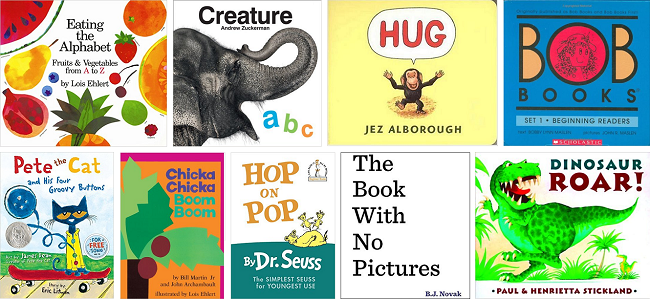
There are 5 important elements for learning to read. Preschoolers will benefit from reading and practicing with these skills in mind.
- Phonemic Awareness - Recognizing and using individual sounds to create words.
- Phonics - Understanding the relationships between written letters and spoken sounds.
- Reading Fluency - Developing the ability to read a text accurately and quickly.
- Vocabulary Development - Learning the meaning and pronunciation of words.
- Reading Comprehension Strategies - Acquiring strategies to understand, remember, and communicate what is read.
Alphabet Books
Alphabet books assist readers in learning the letters and letter sounds, the essence of phonics. Many alphabet books use rhyming which is helpful for developing phonemic awareness. Alphabet books are also great opportunities to develop vocabulary.
1. Eating The Alphabet
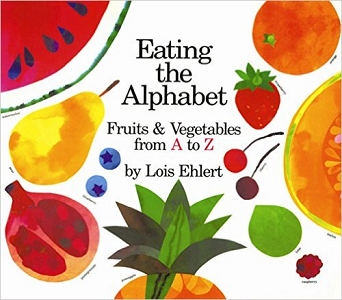
A great book for introducing kids to new fruits and vegetables as well as to the sounds each letter of the alphabet makes. Each page of Eating the Alphabet has lovely, colorful illustrations of familiar and unfamiliar fruits and vegetables. Make connections to the vocabulary at mealtime and repeat the beginning sounds for greater learning.
2. Creature ABC

Many of the spreads in this alphabet book include a picture of an animal body part with the first letter of the animal’s name on one page and a picture of the entire animal on the following page. Develop comprehension by asking your child to predict the animal on the next page. Try to discover and name other animals that start with the same letter.
Predictable Books
Predictable books use text and illustrations that help the reader to anticipate words, phrases or events. Repetitive phrases or story patterns provide early readers a sense of fluency and expression. It is likely these will be among the first books young readers learn to read independently.
3. Brown Bear, Brown Bear What Do You See?
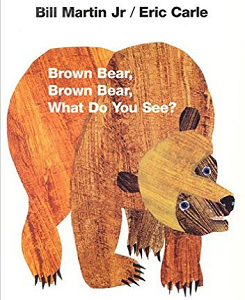
This classic book follows a pattern on each page as each animal introduces the next animal in the story. “Brown bear, brown bear what do you see? I see a red bird looking at me.” The red bird picks up the pattern on the next page and the pattern continues throughout.
(Also read Panda Bear, Panda Bear, What Do You See? and Polar Bear, Polar Bear, What Do You Hear?
 from this series.)
4. Hug

This book about a lovable chimpanzee named Bobo, is told with a handful of simple words and illustrations. The repetition and bold text promote sound to print connections and make for easy learning and confidence. Once your reader recognizes the words in these books, encourage them to find these words in other books or print sources.
(Watch the author read some of his books and send a Hug E-Card at: www.jezalborough.com.)
5. Who Hops?

This predictable book with illustration cues and repetitive phrases has the added bonus of a clever exercise in reading comprehension. The sections, Who Hops?, Who Flies?, Who Slithers? and Who Crawls? each end with a silly answer and short explanation. Make sure your reader tries to predict the answer to the final question.
6. Pete The Cat And His Four Groovy Buttons

This story about Pete the Cat losing his groovy buttons has repetitive phrases, a song and a positive message. Be sure to sing as you read and encourage your reader to read/sing along.
For more fun with this cool cat, read 5 other Pete the Cat picture books with songs, and grow on to read the Pete the Cat I Can Read series.
You can also view the song videos for free: www.petethecatbooks.com
7. It Looked Like Spilt Milk

This wonderfully designed book keeps readers curious and engaged. Young readers should quickly develop the ability to read it independently. But the fun doesn’t end with the closing of this book. Once you’ve read it, go out and delight in the sky, or make your own version of “spilt milk” images on paper with crayons or paint.
Concept Books
Concept books are perfect for pre-readers through developing readers. Ranging from simple to complex, they present information clearly and in entertaining ways. Ask your librarian where to find the concept books for endless learning.
8. One Boy

This concept book presents the numbers 1-10. It also highlights smaller words in larger words using little windows. This is a fun way to identify and learn specific words. It uses a couple handfuls of words that enhance a preschooler’s learning to read it independently.
(For two more books that promote new vocabulary, read Lemons Are Not Red and Green
 by this author/illustrator.)
Rhyming Books
Rhyming words and segmenting sounds are essential skills for developing phonemic awareness. Many books for young readers utilize rhyming. Rhyming also translates to segmenting sounds when you identify that the beginning letter or sounds change while the ending sounds and letters stay the same.
9. Dinosaur Roar
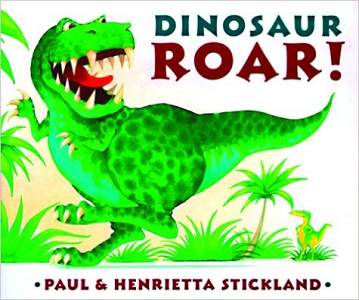
This book develops the concept of opposites and some great vocabulary. It uses rhyming to help with phonemic awareness and predictability. But best of all, it features various types of dinosaurs!
10. Chicka Chicka Boom Boom

Chicka Chicka Boom Boom features anthropomorphized letters that try to climb a coconut tree. It uses predictable phrases, rhyming and supports letter knowledge.
(Also read Chicka Chicka 1, 2, 3 to learn more about numbers 1-20, counting by tens, and counting down from 20.)
11. Look! A Book! A Zany Seek-And-Find Adventure
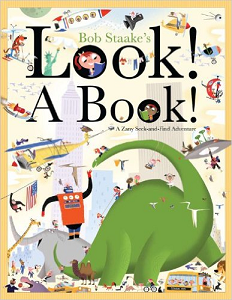
This wonderful book uses a predictable pattern and windows to highlight illustrations of the rhyming words so readers can guess the words on their own. It is full of reading opportunities and zany illustrations to keep the young reader returning again and again.
Phonics Books
Phonics books are based on common sound spelling patterns and provide the greatest opportunity for success for early readers. The emerging reader who understands that patterns of letters make predictable sounds will develop confidence with these books.
12. Bob Books
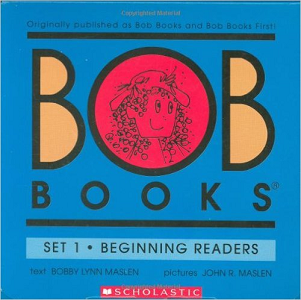
The Bob Books are small boxed sets of 12 books each. They are phonics based and move the beginning reader quickly through to the emerging level and on to become developing readers.
To help a pre-reader with the concepts for letter recognition, use “My First Bob Books: Alphabet ” to develop the sound letter association. Once pre-readers have learned the alphabet, they are ready for the “Bob Books, Set 1, Beginning Readers
 “. What makes these books great is that they deliver an educator’s skills directly into the hands of families supporting their young readers.
13. Hop On Pop

This is “The Simplest Seuss for Youngest Use ” Phonetic and rhyming words become sentences, accompanied by the wacky and original illustrations of this genius author/illustrator.
Books That Motivate Readers
Reading is a lifelong adventure that can sometimes feel arduous. Motivational books about reading will help young readers on their journey.
14. Reading Makes You Feel Good
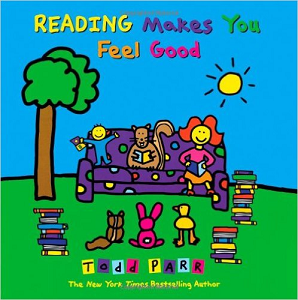
This refreshing look at the benefits of reading uses predictable patterns and illustrations embedded with words. Read this book to motivate early readers and get some ideas of places to read and things to learn from books.
(Check out the author’s website for more than 20 great books written for young readers: www.toddparr.com.)
15. Artful Reading

Artful Reading combines the author’s love of art and reading, introducing the reader to works of art that feature books! Some predictable sentence structure, and highlighted words offer strong opportunities to develop new reading vocabulary.
16. The Book With No Pictures
This ingeniously imaginative book captures the joy of reading without pictures, introducing the young reader to the idea that the written word can be an unending source of mischief and delight!
Your child deserves the BEST! Reading stimuates intellectual development. Click here to discover how you can easily guide your child to read fluently in just 12 weeks.
 194
 0
 0
 38
 0

Jeannine Marie has written two wonderful children’s books. “Looking in the Mirror” speaks to children about self-love and “Cuckoo Bananas” addresses the issue of bullying. Having experienced child abuse herself she is eager to reach out to kids to let them know there is love in the world.
Great list of books!! I love the idea of predictable books and the split milk book. Defintely a lot of books that I need to check out. 🙂
Pete the Cat and His Groovy Buttons is one of my five year old’s favorite books! Early in his first year of Kindergarten, he was given the book by his teacher as a gift. Nearly, 10 months later – he’s reading it to me! It’s a new classic! Also popular here is anything Dr. Seuss. My son enjoys the fact that the tongue twisters messes up Mom and Dad sometimes when we read them.